
Table of Contents
- Introduction: Why We Delay Important Tasks
- What Is Procrastination?
- Why Procrastination Is So Hard to Stop
- How to Stop Procrastinating: 7 Proven Ultimate Tips
- Tip 1: Break Tasks Into Small Steps
- Tip 2: Set Clear and Realistic Deadlines
- Tip 3: Remove Distractions Immediately
- Tip 4: Use the 5-Minute Rule
- Tip 5: Focus on Progress, Not Perfection
- Tip 6: Create a Simple Daily Routine
- Tip 7: Reward Yourself Consistently
- Common Procrastination Triggers You Must Avoid
- How Long Does It Take to Stop Procrastinating?
- Final Thoughts
Introduction: Why We Keep Putting Off Important Tasks
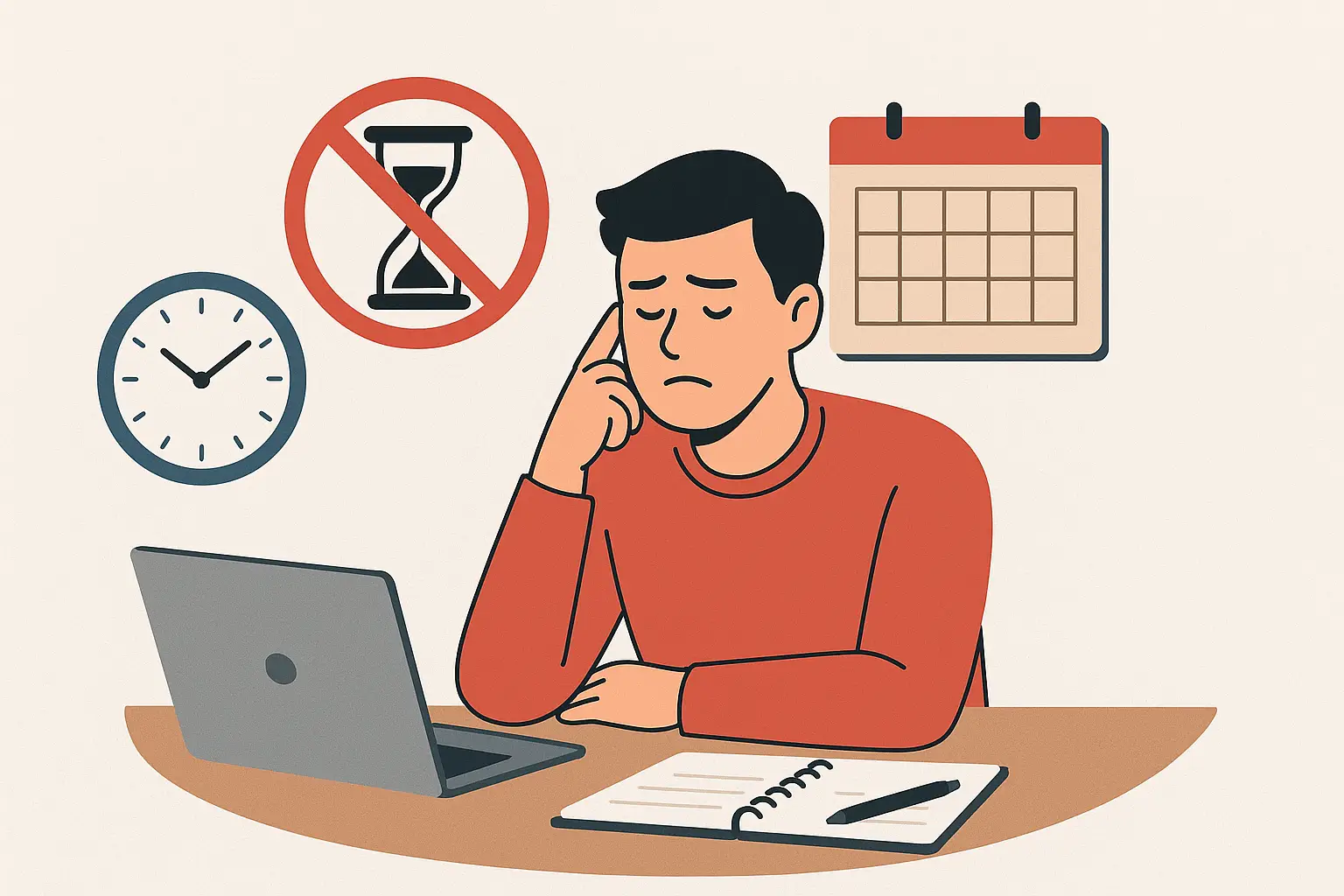
How to stop procrastinating is a question that’s on people’s minds every single day. You start out with the best of intentions, planning to dive into a task, but before long, you’re finding excuses to put it off. Meanwhile, stress piles up, deadlines loom, and guilt sets in. At first, procrastination might seem harmless, but bit by bit, it starts to eat away at your productivity, confidence, and peace of mind.
The good news is that procrastination isn’t about being lazy – it’s just a habit. And the good news is that habits can be changed with the right strategies. This guide will show you how to stop procrastinating using practical methods that really do work.
What Is Procrastination?
Procrastination is simply putting off important tasks, even when you know it’s going to cause problems. Instead of doing what really matters, you end up doing something easier or more fun.
Some common examples of this include:
- Mindlessly scrolling through social media when you should be studying
- Binge-watching videos when you’ve got work to do
- Putting off making a decision because you’re scared of what might happen
The thing is, procrastination might feel like a nice little breather in the short term, but it’s going to leave you with long-term stress and regret.
Why Procrastination Is So Hard to Stop
Before we dive into how to stop procrastinating, it’s worth understanding why it happens in the first place.
Procrastination is often caused by things like:
- A deep-down fear of failure
- Being a perfectionist (which can make it hard to get started)
- Not being clear on what you’re trying to achieve
- Lacking the motivation to get going
- Just being plain old tired mentally
The thing is, our brains are wired to steer clear of anything that makes us uncomfortable. And often, difficult tasks can feel downright scary, even if they’re necessary. Once you understand this, you can start to overcome procrastination and stop beating yourself up over it.
How to Stop Procrastinating: 7 Proven Ultimate Tips
The following strategies are dead simple, easy to put into practice, and backed up by all the science on behavioral psychology. Just remember to use them consistently for the best results.
Tip 1: Break Big Tasks Down Into Tiny Steps
Big tasks can be overwhelming. And when things feel too hard, our brains tend to shy away. Instead of staring down that giant project, try breaking it down into tiny, manageable bits:
- Open up the document
- Write the outline
- Get that first bit done
When you do this, you’ll find it’s a lot easier to get started. Plus, every step of progress builds momentum and makes it feel more achievable.
Tip 2: Set Deadlines That Are Realistic And Clear
Having vague goals just makes procrastination worse. Clear deadlines, on the other hand, can be a lifesaver. Try this format:
- Task + exact time + date
For example: “I’ll write 500 words by 7 PM today”. That’s a goal you can actually work with.
Tip 3: Get Your Environment Working For You
Distractions are the enemy of productivity. So get rid of them! Try:
- Putting your phone in another room
- Using a website blocker
- Clearing your workspace
- Creating a space that’s conducive to getting stuff done
When your environment is calm and clutter-free, it sends a signal to your brain that it’s time to get to work.
Tip 4: Make it Easy to Get Started – The 5-Minute Rule
One of the simplest, most effective ways to stop procrastinating is the 5-minute rule. Commit to working for just 5 minutes. That’s it. Once you get started, you’ll often find that you don’t want to stop.
Tip 5: Stop Chasing Perfection
Perfectionism is a major procrastination trigger. But the truth is, ‘good enough’ is, well, good enough. Remind yourself:
- Done is better than perfect
- Progress is what matters
When you lower your expectations, it becomes a lot easier to take action.
Tip 6: Create a Routine That Works For You
Routines make life easier. They reduce decision fatigue and make it easier to get stuff done. Try a simple routine that includes:
- Fixed work hours
- Short breaks
- Getting that one important task done first
When you have a routine, you’ll find that motivation becomes less of an issue over time.
Tip 7: Reward Yourself For A Job Well Done
Rewards can be a powerful motivator. So make sure you’re rewarding yourself for all that hard work:
- Take a short break
- Enjoy some music
- Take a walk
By doing so, you’ll start to associate work with pleasure, which is a great way to build good habits.
Common Procrastination Triggers You Must Avoid
Even after learning to kick the habit of procrastination, it can still creep back in unexpectedly.
Be on the lookout for:
- The temptation to juggle loads of tasks at once (multitasking)
- A sleep schedule that’s out of whack
- Unrealistic goals that are setting you up for dismay
- That inner voice that’s always putting you down
Steer clear of these triggers and you’ll be far less likely to slip up.
How Long Does It Take to Stop Procrastinating?
Stopping procrastination isn’t something that happens overnight, even though you can start to see results from the get-go.
Most folks tend to start noticing a real shift within:
- 7-14 days of sticking to it
- 30 days if you’re trying to form a new habit
Patience and persistence are what it’s all about.
Final Thoughts on Giving Up Procrastination
Learning how to stop putting things off is one of those super-useful life skills that will pay dividends in all sorts of areas. The fact that you do procrastinate doesn’t define you, it’s just a bad habit you can choose to ditch.
Start small. Pick one tip and put it into action today. Focus on making progress, not on doing it ‘perfectly’. As the weeks go by, you’ll find yourself taking action instead of putting it off, and a sense of confidence will replace that nagging feeling of guilt.
So what are you waiting for? The best time to start changing is right now.